Serving Toronto, Mississauga & the Greater Toronto Area — remote across Ontario

Nova Ledgers insights
Bookkeeping vs. Accounting: What’s the Difference?
The terms “bookkeeping” and “accounting” are often used interchangeably, but they describe different roles. Understanding the distinction helps Canadian small business owners build the right financial support team.
In the world of business finance, the terms “bookkeeping” and “accounting” are often used interchangeably, but they are distinct processes with different roles and responsibilities. Understanding the differences between bookkeeping and accounting is crucial for any business owner or entrepreneur who wants to maintain accurate financial records and make informed decisions.
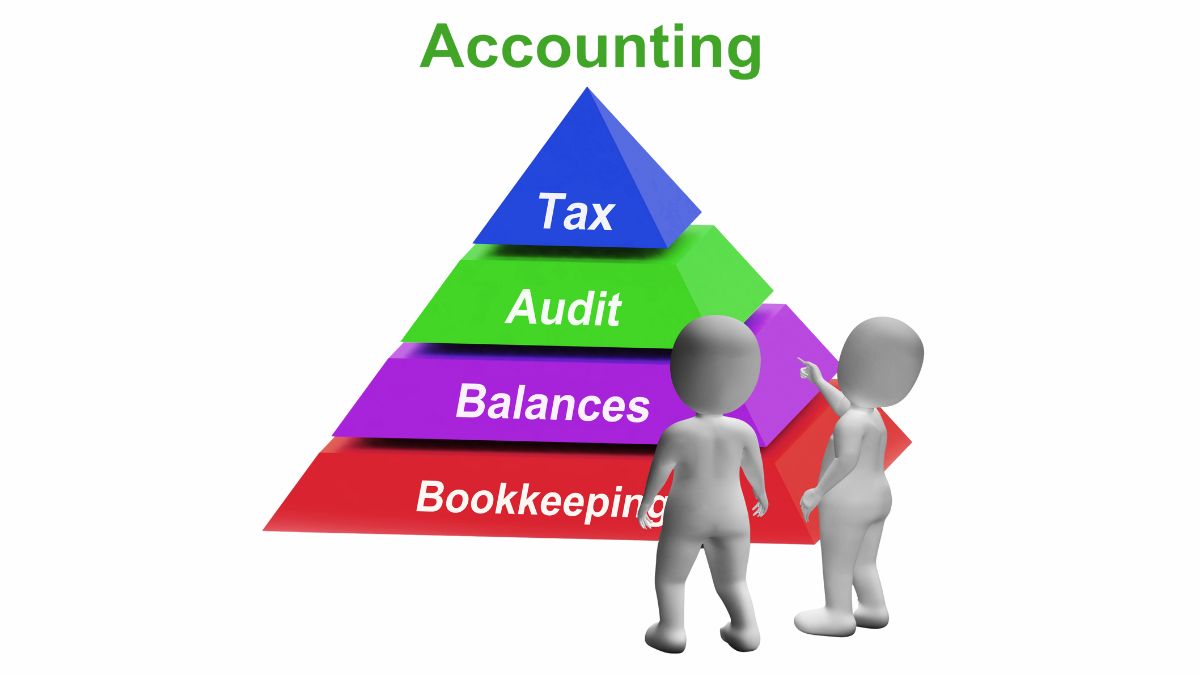
While both functions are essential for financial health, bookkeeping lays the foundation by recording transactions, while accounting builds on that foundation to provide analysis, strategy, and guidance.
1
Bookkeeping: The foundation of financial record-keeping
Bookkeeping is the process of recording and organizing a business’s financial transactions. It involves the daily tasks of tracking income, expenses, accounts receivable, accounts payable, and other financial data. Bookkeepers are responsible for maintaining accurate and up-to-date records of a company’s financial activities.
Primary responsibilities of a bookkeeper
- Recording transactions: Entering all financial transactions, such as sales, purchases, payments, and receipts, into the appropriate ledgers or accounting software.
- Maintaining ledgers: Keeping organized ledgers and journals that track the business’s financial activities, including accounts receivable, accounts payable, and general ledger.
- Reconciling accounts: Reconciling bank statements, credit-card statements, and other financial accounts to ensure accuracy and identify any discrepancies.
- Generating basic financial reports: Preparing routine reports such as income statements and balance sheets, which provide a snapshot of the business’s financial performance and position.
Bookkeeping is the foundation of financial record-keeping, ensuring that all transactions are accurately recorded and organized for further analysis and reporting.
Practical step: If you are a small business owner, start by ensuring
your bookkeeping is consistent and up to date. Reconcile accounts monthly, categorize
transactions clearly, and retain supporting documents. The CRA generally expects
businesses to keep complete, reliable records for six years from the end of the last tax
year they relate to. [246][248][249]
2
Accounting: The analysis and interpretation of financial data
Accounting is a broader discipline that encompasses bookkeeping but goes beyond the mere recording of transactions. Accounting involves the analysis, interpretation, and communication of financial information to help business owners, investors, and other stakeholders make informed decisions.
Primary responsibilities of an accountant
- Financial statement preparation: Preparing and analyzing complex financial statements, such as income statements, balance sheets, cash flow statements, and statements of retained earnings.
- Tax planning and compliance: Ensuring compliance with tax laws and regulations, preparing tax returns, and developing tax strategies to minimize liabilities.
- Financial analysis and reporting: Analyzing financial data to identify trends, assess performance, and provide insights and recommendations to support decision-making.
- Budgeting and forecasting: Developing budgets, forecasting future financial performance, and identifying potential risks and opportunities.
- Advisory services: Providing advisory services related to financial planning, risk management, and strategic decision-making.
While bookkeepers focus on the day-to-day recording of transactions, accountants take a broader view, using the financial data to provide analysis, insights, and guidance to help businesses achieve their financial goals.
Practical step: Use your accountant’s expertise for strategic questions
such as tax planning, entity structure, major investments, or financing decisions. Share
clean, organized bookkeeping records with them so they can focus on analysis and advice
rather than data cleanup.
Key differences at a glance
While bookkeeping and accounting are closely related, they differ in scope, focus, and the types of questions they answer.
Bookkeeping
- Focuses on recording and organizing financial transactions
- Ensures accuracy and completeness of day-to-day records
- Produces routine reports such as income statements and balance sheets
- Answers questions like “What did we spend?” and “Who owes us money?”
- Typically handled by a bookkeeper or trained administrative staff
Accounting
- Focuses on analyzing and interpreting financial data
- Uses bookkeeping records to provide insights and recommendations
- Prepares complex statements, tax filings, and strategic reports
- Answers questions like “Is this sustainable?” and “What should we do next?”
- Typically handled by a qualified accountant or CPA
Recordkeeping reminder: Regardless of whether you use a bookkeeper, an
accountant, or both, the CRA generally expects businesses to keep complete, reliable books
and records, including supporting documents, for six years from the end of the last tax year
they relate to. [246][248][249]
How small businesses can use both effectively
Most Canadian small businesses benefit from both bookkeeping and accounting support, but the mix depends on your stage, complexity, and goals.
Practical ways to combine bookkeeping and accounting
- Use a bookkeeper to maintain day-to-day records, reconcile accounts, and prepare routine reports.
- Engage an accountant for tax planning, year-end filings, and strategic advice on growth, financing, or major purchases.
- Ensure your bookkeeper and accountant communicate regularly so that your records support your tax and strategic objectives.
- Review financial statements with your accountant periodically to understand trends, profitability, and cash flow implications.
- Invest in clean bookkeeping early; it reduces accounting fees later because less time is spent correcting or reconstructing records.
The bottom line
In summary, bookkeeping is the process of recording and organizing financial transactions, while accounting involves the analysis, interpretation, and communication of financial information. Both roles are essential for maintaining accurate financial records and making informed business decisions.
While bookkeeping lays the foundation, accounting provides the strategic insights and guidance to drive business growth and success. By understanding the difference and using both functions effectively, Canadian small business owners can build a stronger, more resilient financial foundation.
Need help with your bookkeeping or accounting?
Nova Ledgers provides practical bookkeeping support and collaborates with qualified accounting professionals to help small businesses maintain accurate records, meet compliance obligations, and make informed financial decisions.
Request a ConsultationDisclaimer: This article provides general educational information only and is not tax, legal, financial, or accounting advice. Bookkeeping, accounting, and compliance obligations depend on your business structure, activities, and specific circumstances. Consult the CRA and qualified professionals for advice tailored to your situation.