Serving Toronto, Mississauga & the Greater Toronto Area — remote across Ontario

Nova Ledgers insights
Essential Bookkeeping Terms Every Business Owner Should Know
A plain-language guide to common bookkeeping terms that can help Canadian small business owners better understand their financial records and reports.
Bookkeeping terminology can feel intimidating when you are busy running a business. Yet, understanding a few core concepts can make it easier to read your reports, communicate with your bookkeeper or accountant, and make decisions with more confidence.
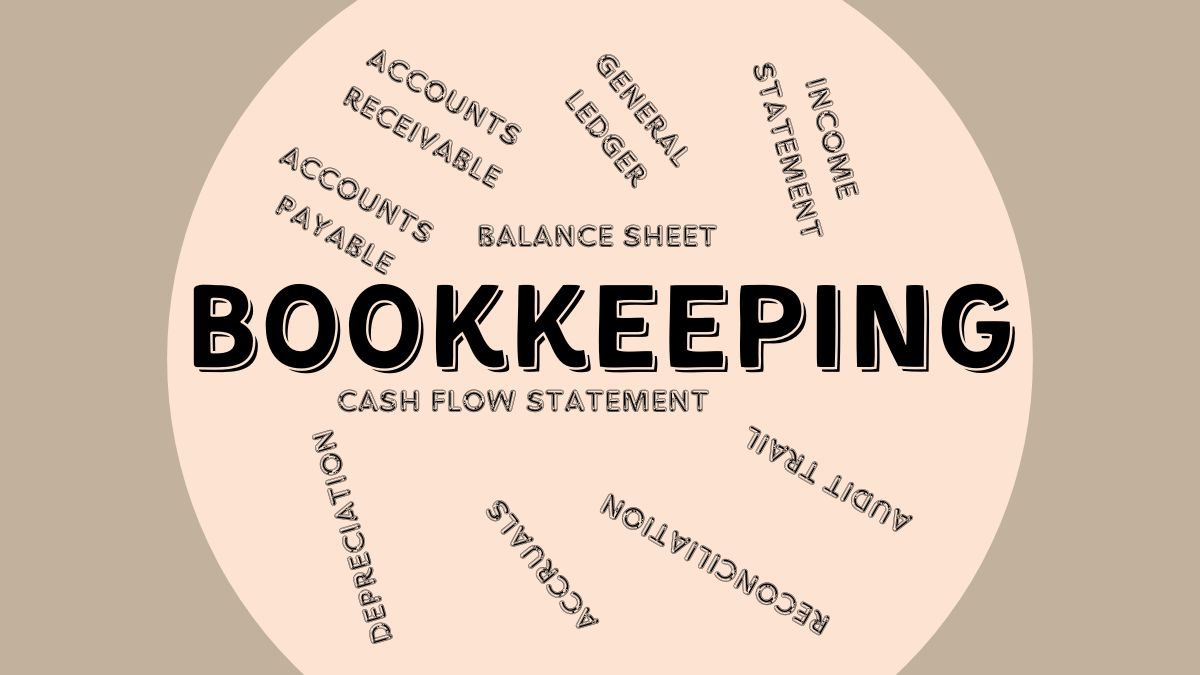
This guide explains ten essential bookkeeping terms in simple language. You do not need to become an accountant to use this information—you only need to understand what the numbers are telling you and know when to ask questions.
10 bookkeeping terms to know
1
Accounts Payable
Accounts payable is the money your business owes to suppliers, vendors, contractors, or other creditors for goods and services you have received but have not yet paid for.
Example: You receive a $1,200 invoice from a supplier with payment due
in 30 days. Until you pay it, that $1,200 is part of your accounts payable balance.
2
Accounts Receivable
Accounts receivable is the money customers or clients owe your business for products sold or services completed but not yet paid for. It represents expected future cash inflows.
Example: You issue a $2,500 invoice to a client with Net 30 payment
terms. Until the client pays, the $2,500 is recorded as accounts receivable.
3
General Ledger
The general ledger is the central record of your business’s financial activity. It organizes transactions into accounts such as sales, rent, office supplies, bank accounts, loans, accounts payable, and accounts receivable.
Example: When you pay rent, the transaction affects both your bank
account and your rent expense account in the general ledger.
4
Balance Sheet
A balance sheet is a financial statement that shows what your business owns, what it owes, and the owner’s or shareholders’ interest in the business at a specific point in time.
Example: A balance sheet may show cash and equipment as assets, a bank
loan and unpaid supplier bills as liabilities, and retained earnings as part of equity.
5
Income Statement
An income statement, often called a Profit and Loss statement or P&L, summarizes revenue, expenses, and net income or loss over a period such as a month, quarter, or year.
Example: If revenue for the month is $15,000 and total expenses are
$10,500, the income statement shows a $4,500 net profit before any applicable income tax.
6
Cash Flow Statement
A cash flow statement shows how cash entered and left the business over a period. It helps explain why the cash balance changed, even when profit appears stable.
Example: Your business may show a profit on its income statement while
cash remains tight because customers have not yet paid outstanding invoices.
7
Depreciation
Depreciation is an accounting method that allocates the cost of a long-term tangible asset over the period it is expected to be used. This differs from recording the full cost as an immediate operating expense.
Example: A business vehicle, computer, or piece of equipment may be
treated as a capital asset. Its accounting and tax treatment can differ, so seek qualified
advice for your specific situation.
8
Accruals
Accruals are revenues earned or expenses incurred during a period that have not yet been recorded, invoiced, paid, or received. They help match financial activity to the period in which it happened.
Example: If work is completed in December but an invoice is sent in
January, an accrual may be used so the revenue is reflected in the appropriate period.
9
Reconciliation
Reconciliation is the process of comparing your internal bookkeeping records against an external source, such as a bank statement, credit-card statement, or payment-platform report, to confirm that the balances and transactions agree.
Example: During a monthly bank reconciliation, you may identify a bank
fee that appears on your statement but has not yet been entered in your bookkeeping system.
10
Audit Trail
An audit trail is the documented history of a financial transaction. It connects an entry in your books to its supporting records, such as an invoice, receipt, bank transaction, approval, or contract.
Example: A complete audit trail for a software purchase may include the
vendor invoice, proof of payment, the bookkeeping entry, and a digital copy of the receipt.
Why understanding these terms matters
These terms are more than accounting language. They are tools for understanding what is happening in your business. When you know how to read basic reports and recognize the information behind them, you can ask stronger questions and make decisions with greater confidence.
How this knowledge helps your business
- Understand whether customers are paying on time and whether cash flow needs attention
- Monitor what your business owes and plan supplier payments more effectively
- Review profitability instead of relying only on the current bank balance
- Communicate more clearly with your bookkeeper, accountant, lender, or business partner
- Identify missing transactions, duplicate entries, or unusual account balances sooner
- Prepare more effectively for tax season, financing applications, or business planning
Recordkeeping reminder: The CRA generally expects businesses to maintain
complete and reliable books and records, including the documents that support the transactions
in those records. Relevant records are generally retained for six years from the end of the
last tax year they relate to. Your exact obligations can vary depending on your business
structure and circumstances.
Put the terms into practice
You do not need to memorize every accounting concept at once. Start by reviewing three reports each month: your Profit and Loss statement, your Balance Sheet, and your accounts receivable aging report. These reports can help you understand profitability, financial position, and money customers still owe your business.
If a term or a number is unclear, ask your bookkeeper or accountant to explain it in the context of your own business. Good financial support should help you understand your numbers, not simply provide reports without explanation.
Want clearer, more organized financial records?
Nova Ledgers provides practical bookkeeping support to help small businesses maintain accurate books, understand their reports, and develop stronger financial habits.
Request a ConsultationDisclaimer: This article provides general educational information only and is not tax, legal, financial, or accounting advice. Accounting treatments, financial reporting requirements, and tax obligations depend on your business structure, activities, and circumstances. Consult qualified professionals for advice specific to your business.